Introduction
Sooner or later, many drivers want to buy new wheels) and quickly realise just how big the choice really is. Between different sizes, materials, designs and technical terms, it is hard to keep track. On top of that, you want your new wheels not only to look good but also to fit technically and noticeably improve handling. This is where uncertainty arises, because it is not immediately obvious which wheel is the right one.
A hasty purchase can have unpleasant consequences, however. An unsuitable offset affects steering behaviour or makes the wheels rub in the wheel arch. Missing approvals may mean the wheels cannot be registered, and a wheel load rating that is too low can compromise safety. The look can also disappoint if the overall picture on the vehicle does not harmonise or turns out differently from what you expected.
In this article we show you what really matters when buying wheels. You will learn which technical specifications are decisive, how different sizes influence driving feel and why design is about more than just looks. You will also get clear guidance on how to choose and assess high-quality alloy wheels, such as those offered by TEC Speedwheels, with confidence. By the end you will know exactly which points really count when buying.
The most important technical basics for buying wheels
If you want to buy new wheels, you should first familiarise yourself with the technical values. These specifications decide whether a wheel fits the vehicle at all. They include the bolt pattern, the offset (ET), the wheel width and the wheel load. For many drivers these terms seem complicated at first, but they are easy to follow once you have understood what they mean. They form the basis of every safe wheel and tyre combination.
The following overview shows the most important technical values and why they are so relevant:
| Technical value | Meaning | Influence on your vehicle |
|---|---|---|
| Bolt pattern | Number and spacing of the fixing bolts | Basic requirement for a wheel that can be fitted |
| Offset (ET) | Position of the wheel in the wheel arch | Appearance, steering behaviour, clearance |
| Wheel width | Width of the wheel in inches | Suitable tyre dimensions and handling |
| Wheel load | Maximum load capacity per wheel | Safety and stability |
After the table it becomes clear that the technical specifications are not just theoretical values but have a direct influence on safety and everyday behaviour. A wrong offset can, for example, cause the wheel to rub on the wheel arch over bumps or when steering. Manufacturers such as TEC Speedwheels state all the important values precisely, so the right choice is easier to make and the wheel fits perfectly, both technically and visually.
Which wheel size makes sense – and why size alone does not decide
Wheel size is one of the first things drivers consider when buying. Larger wheels look sporty and modern, while smaller wheels put more emphasis on comfort. Many vehicles allow several size ranges, but each variant has different effects on appearance and handling. It is therefore worth understanding what the sizes mean in more detail rather than looking only at the diameter.
The overview shows typical sizes that suit different vehicle types:
| Vehicle type | Typical wheel sizes | Effect |
|---|---|---|
| Compact cars | 16–18 inches | Good balance of comfort and dynamics |
| Saloons | 17–20 inches | Sporty character, clean lines |
| SUVs | 18–21 inches | Commanding looks and stable road holding |
After this overview it is clear that wheel size is much more than a question of style. A larger diameter provides more direct steering and a sportier look, but can easily come at the expense of ride comfort. If you value a dynamic appearance, TEC Speedwheels offers numerous models in larger dimensions. If you prefer comfort, you will often stay in the smaller ranges. As long as the size is approved, the choice remains flexible.
Offset, width and how they work together in the wheel arch
How well a wheel sits in the wheel arch depends above all on the offset and the wheel width. Together, the two values determine how far a wheel sits inwards or outwards. An offset that is too low makes the wheel protrude more, while an offset that is too high leads to a tight gap between the wheel and the suspension. The wheel width reinforces these effects, which is why the combination of both values is decisive.
Below you will find typical combinations found on many vehicles:
| Wheel width | Typical ET values | Visual effect |
|---|---|---|
| 7.5 inches | ET 35–45 | Subtle, harmonious fit |
| 8.0 inches | ET 30–45 | Sportier orientation |
| 8.5 inches | ET 25–40 | Stronger outward presence |
| 9.0 inches | ET 20–35 | Very dynamic appearance |
After this overview you can see how sensitively the values work together. Even small deviations change the look significantly and affect how much space is left in the wheel arch. Wheel manufacturers such as TEC Speedwheels provide clear technical data for every model, so a safe choice is possible. With the right combination of width and offset, the wheel becomes a visual highlight without compromising driving safety.
Which wheel design suits which vehicle
Wheel design plays a central role in the appearance of a vehicle. Modern vehicles often look especially dynamic with delicate spokes, while robust designs convey an impression of strength and stability. The shape of the spokes, the lines and the choice of colour influence the overall impression a vehicle makes on the road. It is therefore worth choosing the design deliberately.
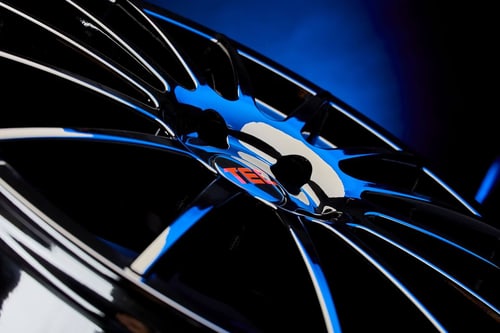
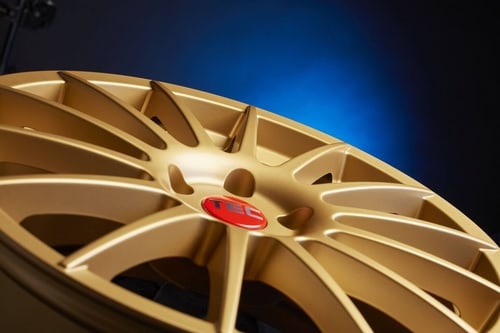
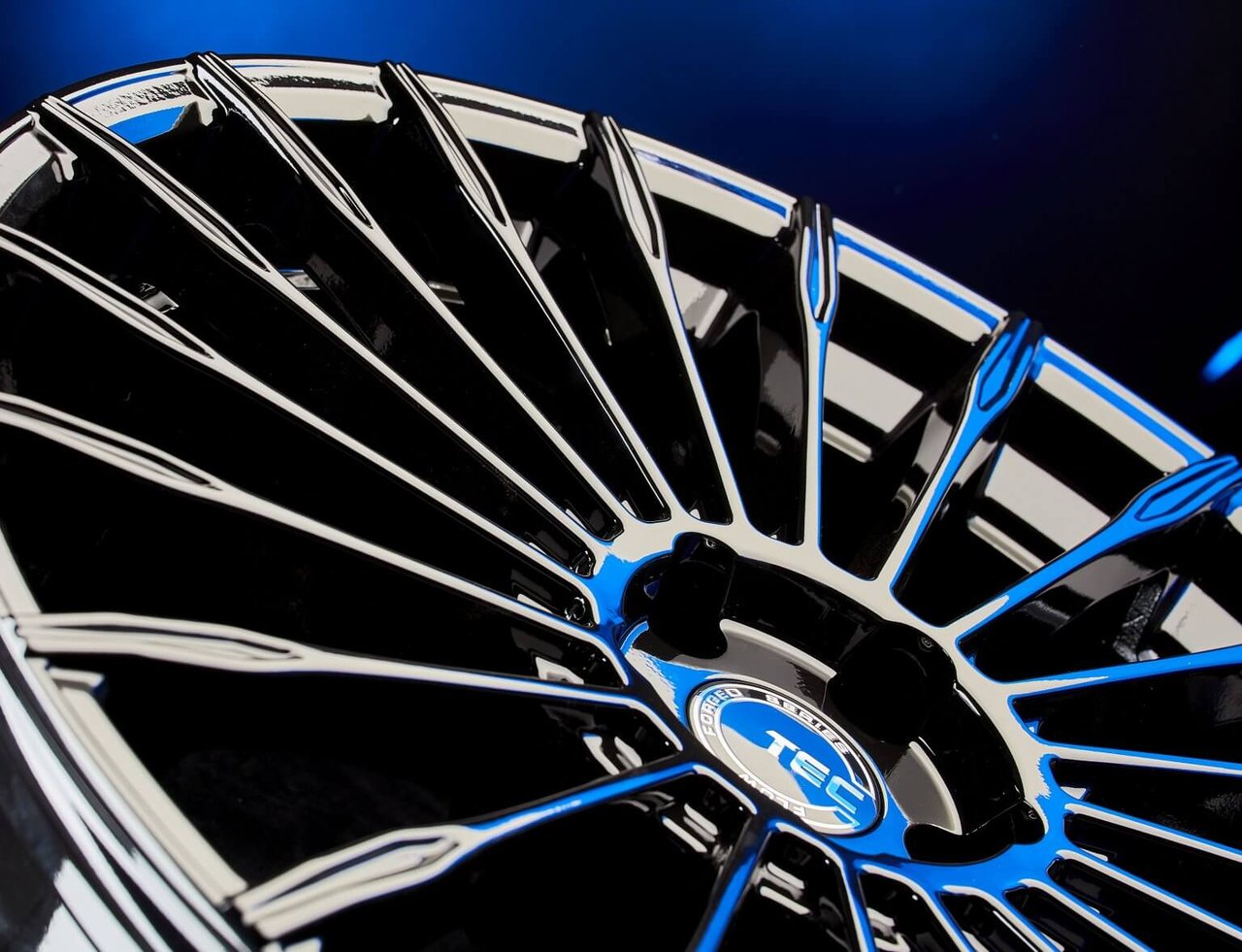
Many drivers take their cue from the character of their vehicle. A sporty compact car can carry narrower, dynamic spokes, while a large saloon benefits from elegant shapes. SUVs look particularly coherent with wider spokes or concave shapes. TEC Speedwheels offers a large selection of modern designs that can look sporty, elegant or striking. Colour variants such as gloss black, matt bronze or hyper silver reinforce this effect further.
In the end, personal taste decides which effect the vehicle should have. Some drivers deliberately want to stand out, while others prefer understated elegance. The right interplay of size, colour and shape ensures that the vehicle is visually enhanced and leaves a coherent overall impression. The better the design suits the vehicle, the more harmonious the result looks.
Approvals, ABE and ECE – what really matters
Before new wheels are fitted, you must make sure they are technically and legally approved. Two terms are particularly important here: the general type approval (ABE) and the ECE marking. Wheels with ECE approval may be driven without registration, provided they correspond to the permitted sizes. An ABE is also an approval, but more vehicle-specific. If neither is available, an individual inspection (Einzelabnahme) is often required, which causes additional costs.
Many drivers underestimate how important these approvals are. Without the right approval there can be problems at the main inspection (Hauptuntersuchung), and in the worst case insurance cover lapses if an unsuitable wheel has been fitted. At the same time, approvals provide certainty because they confirm that a wheel meets all technical requirements. Wheel manufacturers such as TEC Speedwheels provide all documents in a clearly structured way, so customers can find the right variant straight away.
The right approval ensures that nothing stands in the way of fitting and that the vehicle can continue to be driven within the legal framework. If you choose tested models when buying wheels, you avoid surprises later on and can be certain that the wheel can be used safely and in a technically correct way. This makes the whole process much simpler and more transparent.
Conclusion – how to make the right decision when buying wheels
Buying new wheels is a mix of technical necessity and personal style. If you know the most important terms and specifications, you can quickly judge which models are suitable and which combinations look harmonious in the wheel arch. At the same time, the wheel market offers an impressive variety of designs, colours and sizes that can change the look of a vehicle individually. The right choice has a positive effect on both appearance and driving feel.
With clear technical data, tested approvals and a wide choice of high-quality alloy wheels, the decision becomes much easier. Manufacturers such as TEC Speedwheels provide precise information for every model, so customers can quickly see which variants suit their own vehicle. If you follow the points described here, you will not only choose a suitable wheel but also improve the overall look of the vehicle and gain additional driving dynamics.
Frequently asked questions about buying wheels – what do I need to consider?
Many questions come up when buying new wheels, because technical values, legal requirements and visual factors all interact. The sheer number of sizes, designs and approvals quickly leads to uncertainty, especially if you are dealing with the subject for the first time. Many drivers wonder which specifications are really decisive, whether registration is required or how different wheel sizes have an effect. This is exactly why it is worth answering the most important questions concisely.
Which wheel size am I allowed to drive?
The permitted wheel sizes result from the details in the vehicle registration document (Fahrzeugschein) and from approvals from the wheel manufacturer. Many vehicles allow several sizes that can be used without registration. Larger wheels are possible if the tyre rolling circumferences stay within the tolerance range and a suitable approval is available. If a size that is not registered is chosen, a TÜV inspection may be necessary. It is important that wheel load and offset always suit the vehicle.
Which technical specifications are decisive when buying wheels?
The most important values are the bolt pattern, the offset, the wheel width and the wheel load. The bolt pattern must be exactly right for the wheel to be fitted, while the offset determines how far the wheel sits in the wheel arch. The width influences stability and the possible tyre dimensions. The wheel load is also decisive, because it indicates the maximum load capacity and must match the axle load. If you know these values, you can choose wheels much more selectively.
Do I need an ABE or ECE for every wheel?
No, but every wheel needs a valid form of approval. Models with an ECE marking may be driven without additional registration. An ABE also allows this, but only for certain vehicles. If neither is available, an individual inspection is required, which can cause additional costs. Many modern wheels are already supplied with the appropriate approvals. This makes the buying process much simpler and more transparent.
What role does the offset play?
The offset influences both appearance and handling. It indicates how deep the wheel sits in the wheel arch. An ET that is too low makes the wheel move further outwards, while an ET that is too high brings it closer to the suspension. Both can have undesirable effects and even cause rubbing. The offset should therefore always be within the values recommended by the manufacturer.
How do I choose the right design?
The design should suit the vehicle type and the style you want. Delicate spokes look sporty, while robust designs suit SUVs particularly well. Colour variants such as gloss black, matt bronze or silver give the vehicle different forms of expression. Many drivers take their cue from the body colour or the shape of the vehicle. When design and proportions harmonise, the overall picture is coherent.
Can I fit larger wheels without having to register anything?
In many cases yes, provided the wheels have a suitable approval and the tyre rolling circumference is within the tolerance range. However, if values such as offset or dimensions are changed too much, an inspection by TÜV is necessary. It is worth checking before you buy which sizes are officially approved. This avoids the need for subsequent registrations.
Our team in Kaiserslautern checks size, offset and approvals for your car. Free and without obligation.
Wheel configurator