Introduction
Many drivers now deliberately choose larger rims to give their vehicle a more modern and sportier appearance. Sizes in the 18 to 22 inch range in particular are now widespread and shape the design of modern vehicles. At the same time, the question arises of whether larger rims really make sense in everyday use or whether they only offer visual benefits. This is where uncertainty begins for many people, because the effects are not always obvious.
If you are guided purely by looks, you often overlook the practical differences in daily use. Larger rims can change handling, affect comfort and also raise costs. At the same time, they bring clear advantages in looks and, in certain driving situations, in dynamics too. Without a balanced understanding of these factors, it is hard to make the right decision.
In this article you will learn what advantages larger rims offer and which disadvantages should be considered in everyday use. We explain how size, tyre cross-section and weight have an effect and what to look for when choosing. We also show how modern rims – such as the models from TEC Speedwheels – put these differences into practice. That way you can decide whether larger rims suit your driving style and your everyday life.
Why larger rims are so popular visually
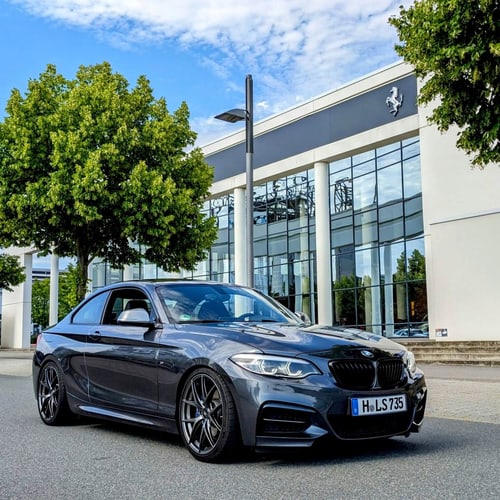
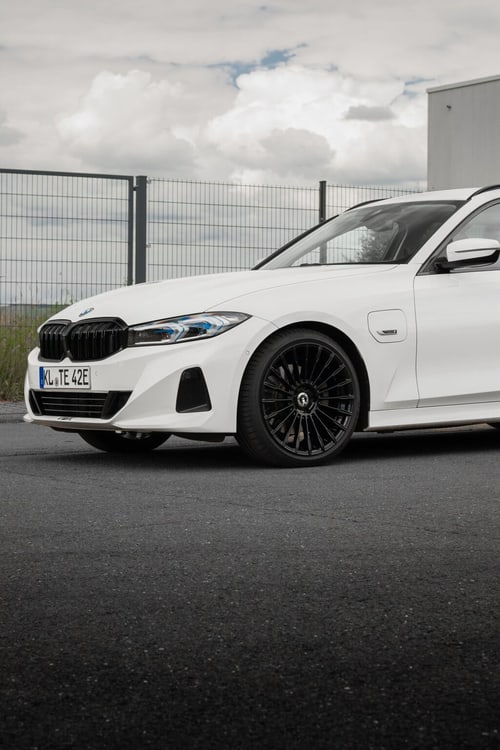
The biggest advantage of larger rims lies in their visual effect. They fill the wheel arch better and make the vehicle look wider, sportier and more modern. On vehicles with clean lines or a dynamic design in particular, large rims reinforce this impression considerably. The overall picture looks more high-quality and more harmonious.
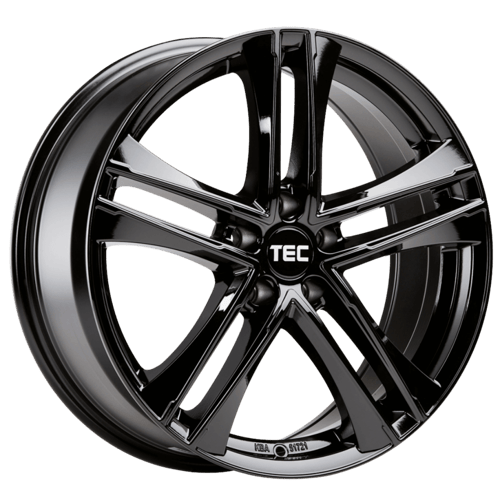
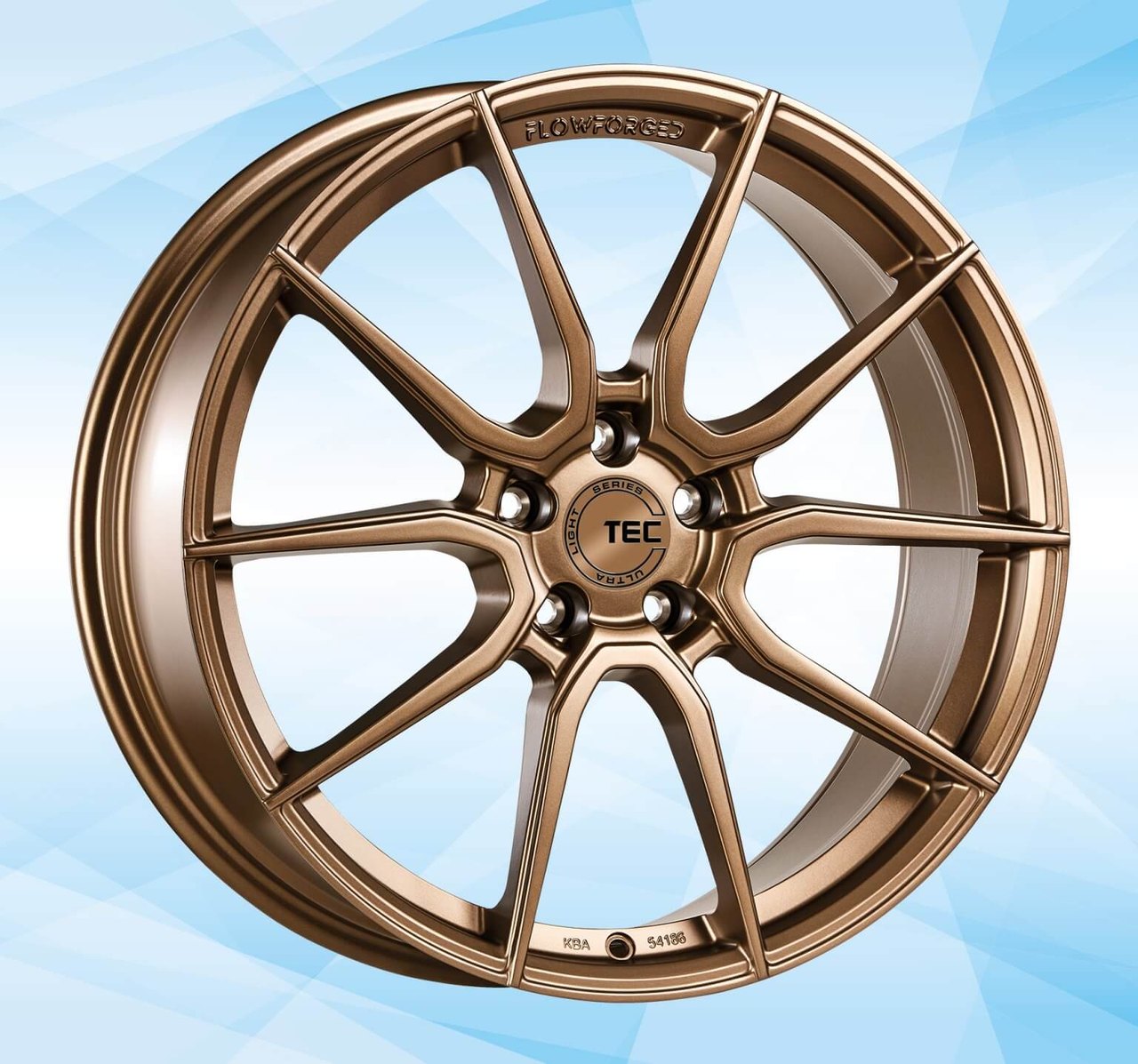
For exactly this reason, many drivers choose 19, 20 or even 22 inch rims. The larger surface also allows more complex designs, which have less impact on smaller rims. Series from TEC Speedwheels show how modern designs have an especially strong effect in larger sizes.
The following overview shows typical visual differences:
| Size | Visual effect | Impression |
|---|---|---|
| 18 inch | balanced | modern |
| 19–20 inch | sporty | dynamic |
| 21–22 inch | dominant | very present |
This table shows how strongly the look changes as size increases. Larger rims are more eye-catching and underline the character of a vehicle considerably.
The visual enhancement is therefore one of the main reasons for larger rims.
How larger rims affect handling
Larger rims change handling because they are usually combined with lower-profile tyres. This creates a more direct steering feel, as there is less rubber between the rim and the road. The vehicle reacts more quickly to steering movements and feels more precise overall.
This effect is clearly noticeable, especially when driving sportily. The car sits more stably on the road and gives more direct feedback. At the same time, the load on the suspension increases, as bumps are cushioned less.
The differences in handling at a glance:
| Property | smaller rims | larger rims |
|---|---|---|
| Steering behaviour | soft | direct |
| Stability | good | very high |
| Feedback | moderate | intense |
This table makes clear that larger rims are geared mainly towards dynamics. Models from TEC Speedwheels are designed to support these properties while ensuring strength.
Handling therefore becomes considerably sportier.
Why comfort decreases with larger rims
One disadvantage of larger rims is reduced comfort. The smaller tyre cross-section produces less damping, so bumps are passed on more strongly to the vehicle. Potholes, kerbs or poor roads are much more noticeable.
This effect is particularly relevant in city traffic or on longer journeys. While smaller rims absorb bumps better, larger rims react more directly. For drivers who value comfort highly, this can be a decisive factor.
The following overview shows the differences in comfort:
The effects at a glance:
| Factor | smaller rims | larger rims |
|---|---|---|
| Damping | high | low |
| Ride comfort | soft | firmer |
| Bumps | less noticeable | clearly noticeable |
This table shows that comfort can be a clear disadvantage of larger rims. Many drivers nevertheless choose them deliberately because they prefer the sporty character.
The choice therefore depends heavily on personal priorities.
How larger rims affect costs and wear
Larger rims are generally more expensive than smaller variants. This is due to the greater use of material and the more elaborate manufacturing. The cost of matching tyres also rises, as they have to be matched specifically to the larger rim. Wear can also be higher, as lower-profile tyres wear out faster.
Another point is sensitivity to damage. The smaller tyre cross-section protects the rim less, which raises the risk of kerb contact or potholes. This can cause additional costs in the long term.
Typical cost differences at a glance:
| Criterion | smaller rims | larger rims |
|---|---|---|
| Purchase | cheaper | more expensive |
| Tyre costs | moderate | higher |
| Wear | lower | higher |
This table shows that larger rims also have to be considered financially. Models from TEC Speedwheels offer a good balance of design and durability here, so the extra expense often pays off.
Costs are therefore an important part of the decision.
Why larger rims are more sensitive in everyday use
Besides comfort and costs, everyday practicality also plays a part. Larger rims are more prone to damage, as there is less tyre material to protect them. Kerbs, potholes or poor roads can more quickly cause scratches or deformation.
This disadvantage shows particularly in city traffic. Frequent parking or uneven roads raise the risk of damage. High-quality rims – such as those from TEC Speedwheels – are strongly built, but the risk still remains higher compared with smaller rims.
Typical differences at a glance:
| Factor | smaller rims | larger rims |
|---|---|---|
| Protection | higher | lower |
| Robustness | sturdy | more sensitive |
| Everyday use | straightforward | more demanding |
This table shows that larger rims need more attention in everyday use. If you choose these sizes, you should drive with appropriate care.
Everyday practicality is therefore an important factor.
Conclusion – larger rims in everyday use: are they worth it?
Larger rims offer clear advantages in looks and driving dynamics but also bring disadvantages in everyday use. Less comfort, higher costs and greater sensitivity should be taken into account when deciding. If you value a sporty look and direct handling, larger rims are a good choice. For more comfort and robustness, smaller rims are often the better solution. Modern rims – such as the models from TEC Speedwheels – show that both aspects can be combined when quality and construction are right.
Frequently asked questions about "Larger rims: advantages and disadvantages in everyday use"
Many drivers wonder whether larger rims really make sense or whether the disadvantages outweigh the benefits in everyday use. Comfort, costs and handling in particular cause uncertainty. The following answers help you understand the key questions clearly.
"Are larger rims better for sporty driving?"
Yes, larger rims give a more direct driving feel and better road holding. The vehicle reacts more precisely and feels more dynamic. This advantage is clearly noticeable, especially when driving sportily.
"Do I lose comfort with larger rims?"
Yes, the smaller tyre cross-section produces less damping. Bumps are felt more. The driving feel becomes firmer overall.
"Are larger rims more expensive?"
Yes, both the rims and the matching tyres cost more. Wear can also be higher. These factors should be taken into account when deciding.
"Are large rims more prone to damage?"
Yes, as the tyre offers less protection. Kerbs and potholes can more quickly cause damage.
"Which size is a good compromise?"
Sizes such as 19 or 20 inch offer a good balance between looks and everyday practicality. They are sporty without being too extreme.
"Are larger rims worth it in the long term?"
That depends on your driving style. If you value looks and performance, you will benefit. For comfort and everyday use, smaller rims are often more practical.
Our team in Kaiserslautern checks size, offset and approvals for your car. Free and without obligation.
Wheel configurator