Introduction
Many drivers want a more precise driving feel and better handling, especially in corners or at higher speeds. The first thought is often suspension or tyres, while the wheel is underestimated as an influencing factor. Yet it plays a decisive role, because it is directly connected to the tyre and has a major influence on the behaviour of the vehicle. These differences are clearly noticeable on sporty vehicles and with larger wheels in the 19 to 22 inch range in particular.
If you do not pay attention to the right properties when choosing wheels, you can even make handling worse. Wheels) that are too heavy, the wrong sizes or unsuitable constructions make the vehicle react more sluggishly. Control in corners can also suffer if the set-up does not match. Many drivers invest in larger wheels without knowing that weight or construction matter more than size alone.
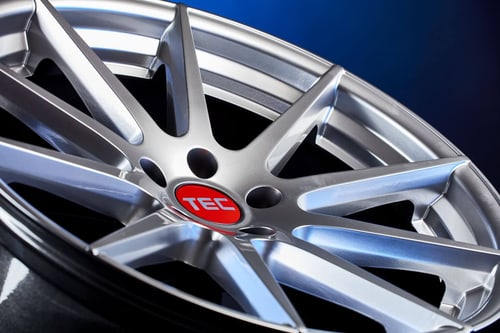
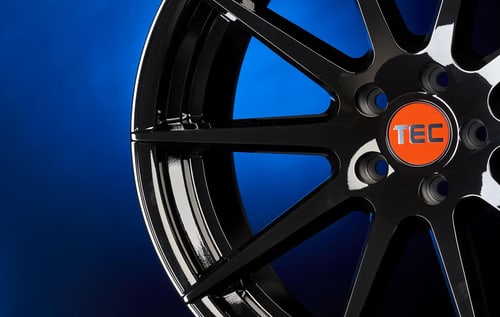
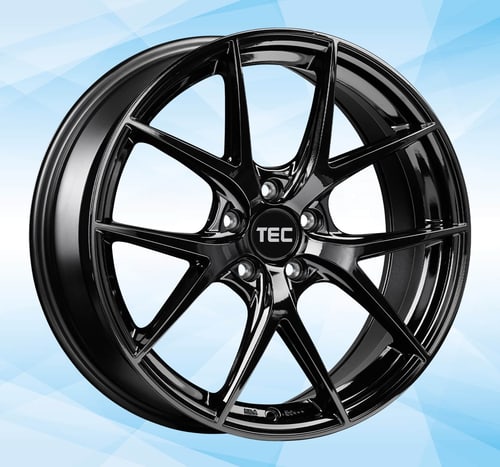
In this article you will learn which wheels actually give better handling and which factors are decisive. We show you how weight, size, offset and construction have an effect, and what to look out for when choosing. We also explain how modern wheels, such as the models from TEC Speedwheels, are deliberately developed to improve handling. That way you can make your vehicle noticeably more precise and controlled.
Why Wheel Weight Is Decisive for Good Handling
The weight of the wheel is one of the most important factors for handling. Lighter wheels reduce the unsprung mass and make the vehicle react faster to steering input. This makes turn-in more precise and the vehicle feels more agile overall. The effect is clearly noticeable when driving in a sporty style in particular.
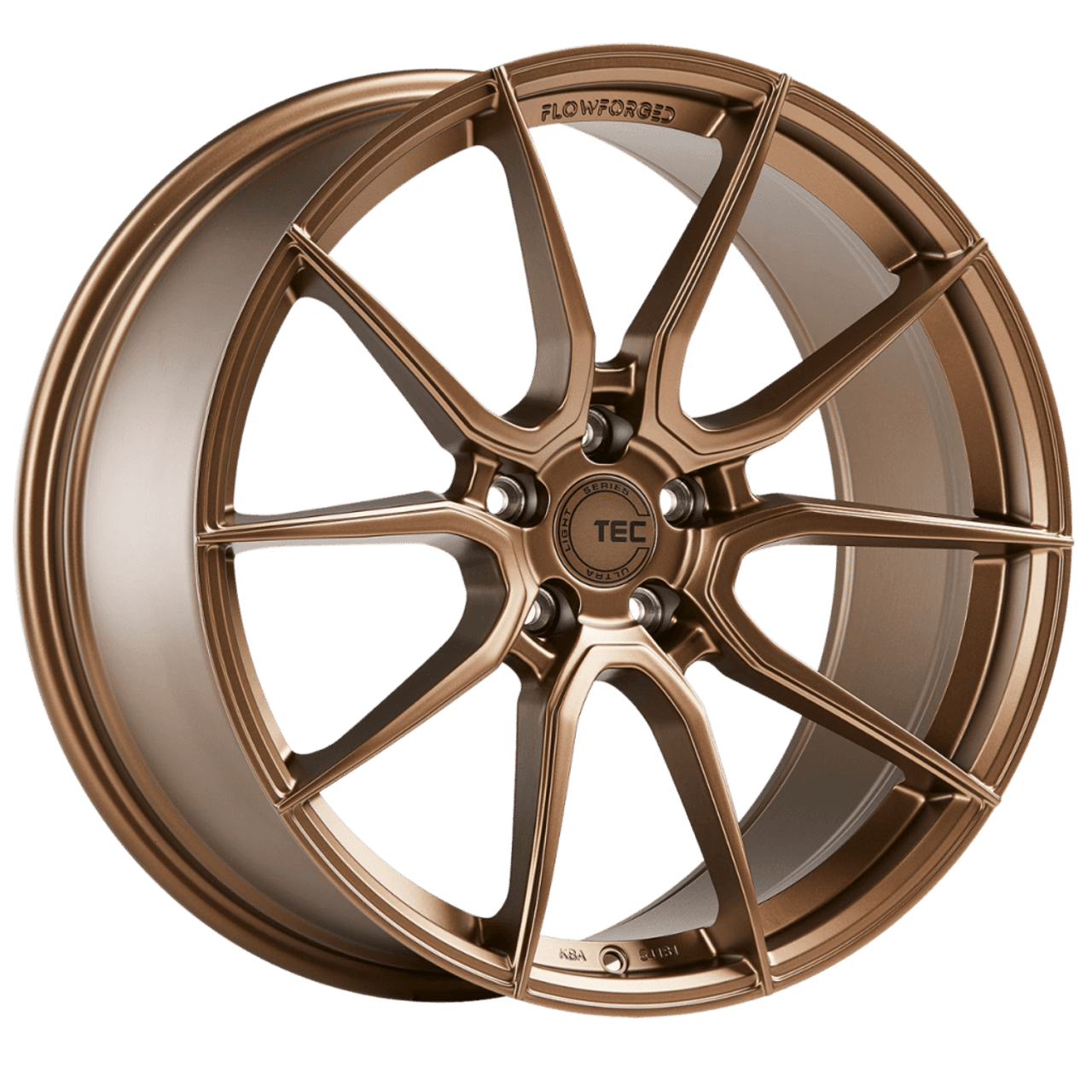
Heavy wheels, by contrast, act like additional resistance. The vehicle reacts more slowly and feels less direct. In fast corners or when changing direction in particular, this can have a negative effect on handling. Modern alloy and Flowforged wheels, such as those offered by TEC Speedwheels, are designed to minimise this problem.
The following overview shows the influence of weight:
| Property | light wheels | heavy wheels |
|---|---|---|
| Steering behaviour | direct | indirect |
| Response | fast | slower |
| Dynamics | high | reduced |
This table shows that weight is a central factor. Light wheels improve handling considerably.
Weight is therefore the most important basis for good handling.
Which Wheel Size Improves Handling
Wheel size influences how directly a vehicle reacts. Larger wheels are usually combined with lower-profile tyres, so the tyre sidewall flexes less. This makes steering more precise and the vehicle reacts faster to input.
However, there is an optimal range here too. Sizes between 19 and 20 inches often offer the best balance between handling and everyday usability. Very large wheels may feel even more direct, but they are more sensitive and less comfortable.
The following overview shows typical differences:
| Size | Handling | Comfort |
|---|---|---|
| 18 inch | moderate | high |
| 19–20 inch | very good | balanced |
| 21–22 inch | extremely direct | lower |
This table shows that medium to large wheels are ideal for good handling. Series from TEC Speedwheels are matched precisely to these sizes.
The right size is therefore decisive for balance.
How Offset Affects Handling
Offset (Einpresstiefe, ET) determines the position of the wheel in the wheel arch and influences the track width. A lower offset means the wheels sit further out. This widens the track, which can improve stability in corners.
A wider track makes the vehicle sit more stably on the road and be less prone to rolling. This improves handling, especially when driving in a sporty style. At the same time, the offset must be chosen correctly to avoid technical problems.
The overview shows the differences:
| Offset | Track width | Handling |
|---|---|---|
| high | narrow | less stable |
| optimal | balanced | stable |
| low | wide | very stable |
This table shows that offset has a direct influence on handling. TEC Speedwheels offers precisely matched values to achieve optimal results.
The right offset considerably improves driving stability.
Why the Construction of the Wheel Plays a Role
The design of the wheel influences how forces are distributed. A sturdy construction ensures that the wheel does not deform under load. This keeps handling consistent and controllable.
Modern manufacturing processes such as Flowforged make it possible to optimise the structure of the wheel. This produces a combination of low weight and high stability. These properties are particularly important for sporty handling.
Below you can see the differences:
Below you can see the most important aspects:
| Construction | Stability | Influence |
|---|---|---|
| simple | solid | moderate |
| reinforced | high | stable |
| optimised | very high | precise |
This table shows that the construction is decisive. Models from TEC Speedwheels are developed to offer high stability at low weight.
The design therefore directly influences handling.
Why Tyres and Wheels Together Determine Handling
Wheels never act alone, but always in combination with the tyre. The tyre width, the profile and the rubber compound influence handling together with the wheel. A lower-profile tyre structure gives more precision, while taller tyres offer more comfort.
The match between wheel and tyre is decisive. A wrong combination can worsen handling, even if the wheel is chosen optimally. Modern wheels, such as those from TEC Speedwheels, are designed to work optimally with matching tyres.
This combination ensures that the vehicle reacts both precisely and with control.
Handling therefore arises from the interplay of both components.
Conclusion – Which Wheels Give Better Handling?
Wheels with low weight, optimal size and a sturdy construction give the best handling. Sizes between 19 and 20 inches offer a good balance between precision and everyday usability. A suitable offset and a high-quality construction reinforce this effect further. Models from TEC Speedwheels show how these factors can be combined to improve handling considerably. If you choose the right wheels, you can noticeably increase the control and dynamism of your vehicle.
Frequently Asked Questions about "Which Wheels Give Better Handling?"
Many drivers want to know how they can improve the handling of their vehicle without major modifications. The wheel plays a central role here, but is often underestimated. The following answers help to clear up the most important questions.
"Which wheels improve handling the most?"
Light wheels with an optimised construction offer the biggest advantages. They give more direct steering behaviour and better control.
"Is wheel size decisive for handling?"
Yes, larger wheels with lower-profile tyres improve precision. Sizes between 19 and 20 inches are ideal for sporty driving.
"Does offset affect handling?"
Yes, a lower offset can widen the track and increase stability. This improves cornering behaviour.
"Are heavy wheels bad for handling?"
Heavy wheels make the vehicle more sluggish and reduce dynamics. Lighter wheels offer clear advantages.
"What role does the tyre play?"
The tyre works closely with the wheel. The right combination is decisive for good handling.
"Which wheels are a good choice?"
Wheels that are light, strong and well matched give the best results. Models from TEC Speedwheels meet these requirements.
Our team in Kaiserslautern checks size, offset and approvals for your car. Free and without obligation.
Wheel configurator