Introduction
Sooner or later, many drivers face the question of whether alloy wheels or steel wheels are the better choice for their vehicle. Both types have been offered side by side for years, but their characteristics differ considerably. Anyone who wants to improve the look of their car often leans towards alloy wheels, while others stick with steel out of habit or uncertainty. Without solid information, it is hard to judge which wheel really offers the benefits you need in everyday driving.
Choosing a wheel that does not match your requirements often leads to disappointment. Steel wheels can look unappealing and make the vehicle heavier, while basic alloy wheels of poor quality can be damaged more easily. Costs, handling, weight and winter suitability are also frequently misjudged. Getting these assumptions wrong means either spending money unnecessarily or missing out on important advantages of modern wheel technology.
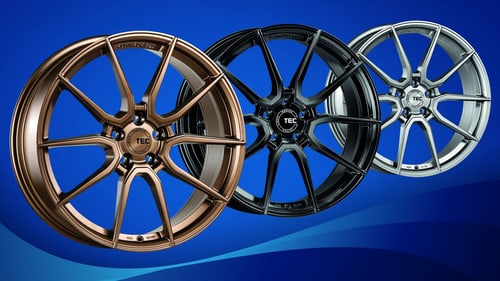
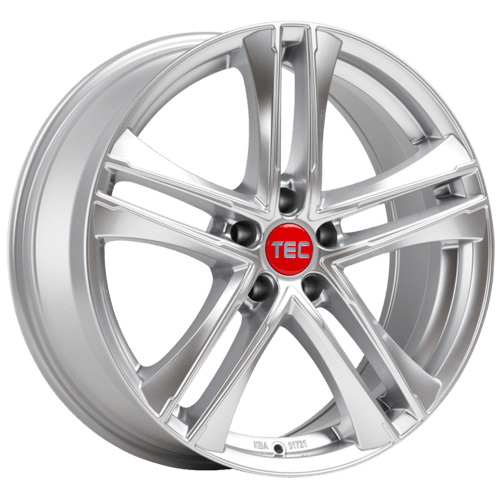
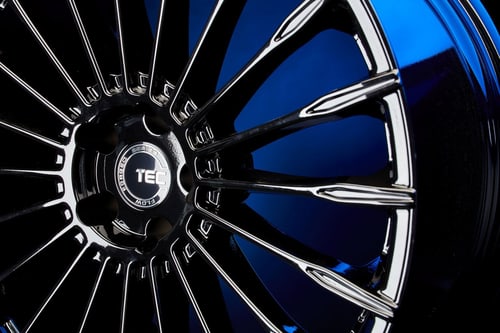
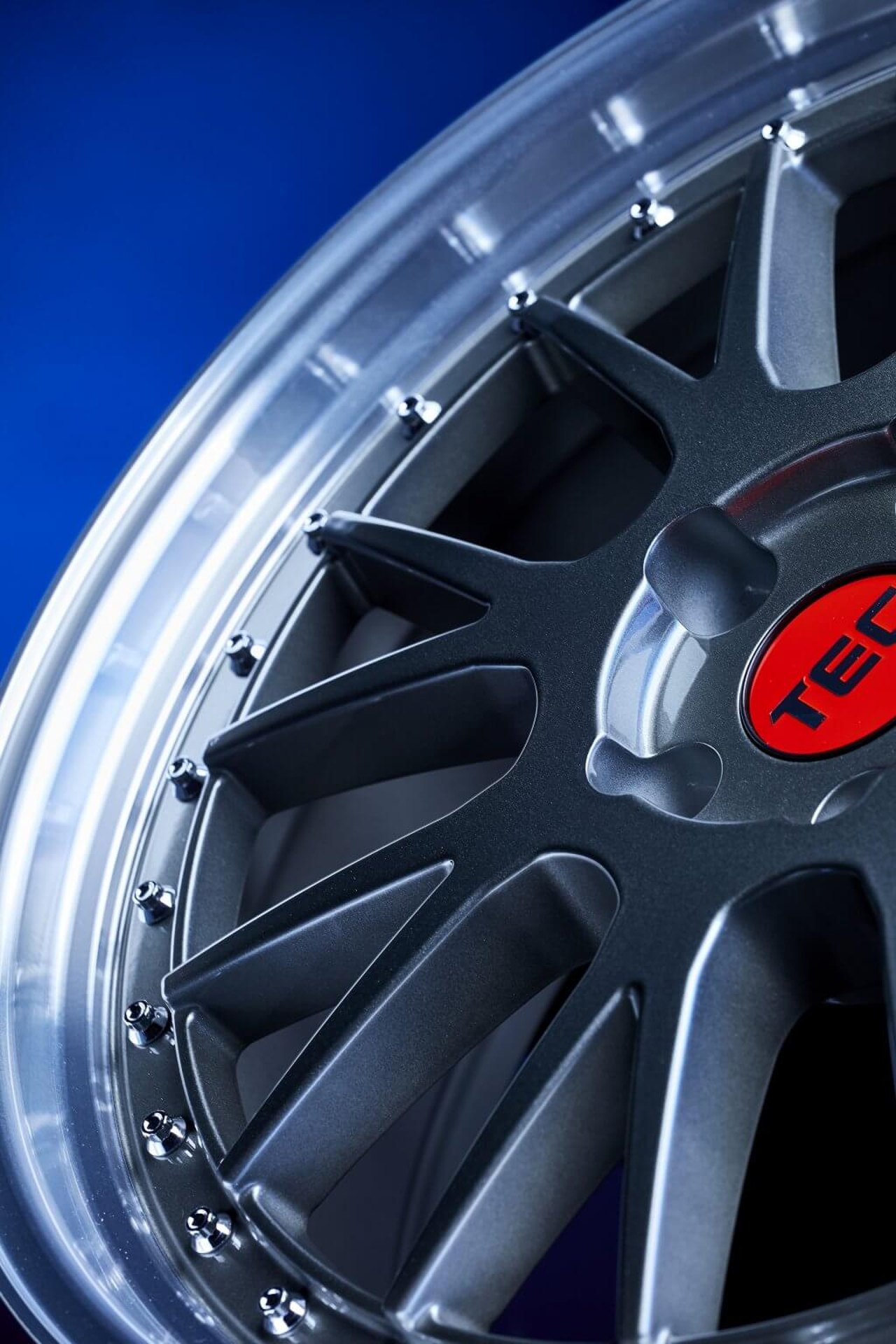
In this article you will learn, clearly and practically, how alloy and steel wheels differ, what benefits each material offers and which drivers each variant makes sense for. Models from the TEC Speedwheels range serve as examples of how modern alloy wheels combine strength, design and everyday practicality. By the end, you will know exactly which wheel is the better long-term decision for your vehicle.
What Makes Alloy Wheels Special and Why They Are So Popular
Alloy wheels are usually made of aluminium or aluminium alloys and are considerably lighter than steel wheels. Modern manufacturing processes give them a sturdy structure that lets the vehicle respond more directly. Many drivers also appreciate the visual variety, as alloy wheels allow for fine spokes, concave designs and modern colour options. This allows the wheel to blend harmoniously with different vehicle models and underline their style.
The following overview shows important characteristics of modern alloy wheels:
| Feature | Description | Effect in everyday use |
|---|---|---|
| low weight | lighter than steel | more agile driving feel |
| modern look | many designs possible | vehicle looks more premium |
| sturdy construction | precise manufacturing | reliable performance |
This table shows why alloy wheels are the preferred choice for many drivers. Models from TEC Speedwheels demonstrate this advantage particularly well, because depending on the series they look sporty, classic or technically modern. The low material weight makes driving more pleasant and also makes the wheel easier to handle.
Aluminium offers a good balance of strength and lightness. As a result, the wheel performs well both in everyday driving and with a more dynamic driving style. The visual variety is an additional benefit that also enhances the look of the vehicle.
Why Steel Wheels Are Still Used and Where Their Limits Lie
Steel wheels are made of robust, heavy steel and are used mainly for cost reasons. They are less sensitive to external influences and are regarded as a solid solution for winter, especially on simple vehicles or older models. However, the construction is comparatively simple, so steel wheels offer fewer design options and look rather understated.
The following overview shows the most important characteristics of steel wheels:
| Feature | Description | Effect in everyday use |
|---|---|---|
| high weight | considerably heavier | less agile handling |
| simple look | little design variety | classic, functional look |
| robust structure | resistant | less prone to damage from impacts |
This table makes it clear that steel wheels are above all practical, but rarely a visual upgrade. The extra weight has a negative effect on turn-in, because the suspension has to control more mass. Anyone who places particular value on design or lightness is therefore more likely to choose alloy wheels.
Steel wheels do have their place, however, when appearance is unimportant and robustness is the priority. They are proven and solid, but not the most modern solution.
Which Differences You Can Feel in Handling
The difference between alloy and steel wheels is most noticeable in the driving feel. Thanks to their lower weight, alloy wheels give more direct feedback and relieve the suspension). This reduces unsprung mass and improves the responsiveness of the whole vehicle. The advantage is especially noticeable when cornering and during quick changes of direction.
The overview below shows the typical effects of both wheel types:
| Wheel type | Effect on steering | Effect on comfort |
|---|---|---|
| Alloy | more direct, more precise | harmonious & stable |
| Steel | more sluggish & heavier | damped, but less agile |
This comparison shows how strongly the material influences the driving feel. Alloy wheels provide more dynamic feedback because they set less mass in motion. Many TEC Speedwheels models are also weight-optimised, which reinforces this effect even further. Steel wheels, by contrast, feel heavier and result in delayed steering response.
Drivers who value a modern and precise driving feel therefore make a much more fitting choice with alloy wheels. Steel wheels are more of an option when the driving itself is less of a focus.
What Role Weight Plays in Efficiency and Agility
Wheel weight has a major effect on how efficiently and dynamically a vehicle can be driven. Every saving in rotating mass has a greater effect than weight saved on other parts of the vehicle. This means a lighter wheel improves acceleration, braking and agility. This advantage is particularly easy to see with Flowforged alloy wheels, which are both strong and light thanks to their compressed material structure.
The overview below shows the effect of weight in comparison:
| Property | Lighter wheel | Heavier wheel |
|---|---|---|
| Acceleration | quicker | more sluggish |
| Braking | more direct | delayed |
| Agility | dynamic | less spontaneous |
This table shows the big differences that result from wheel weight alone. The TEC Speedwheels range includes many examples of models built with an optimised weight structure, which delivers a clearly noticeable improvement.
Weight not only makes alloy wheels more pleasant to drive on, but can also reduce wear on the suspension in the long term. Less mass means less load.
Which Wheels Are Better Suited to Winter
Many drivers believe that steel wheels are always the better choice in winter. This assumption dates from a time when alloy wheels were more sensitive to salt and moisture. Modern alloy wheels, however, have robust multi-layer coatings, powder coatings and salt spray tests that make them suitable for winter. They can therefore be driven without any problem in the cold season, often with visual and technical benefits as well.
Below you will find typical characteristics of both wheel types in winter:
| Wheel type | Behaviour with salt | Winter suitability |
|---|---|---|
| Alloy | depends on coating | very good if tested |
| Steel | robust, but prone to rust | good, but limited in looks |
This overview shows that modern alloy wheels cope with winter without any problem, as long as the coating is high quality. TEC Speedwheels models are clearly marked if they have passed the salt spray test, for example, and are therefore considered suitable for year-round use.
The winter question is therefore no longer just a question of material, but of surface quality. Modern wheels are considerably more durable than older generations.
Conclusion: Alloy Wheels or Steel Wheels – Which Is Better?
In most cases, alloy wheels offer the better combination of looks, weight, strength and handling. They are more modern, more versatile and provide a noticeably more dynamic driving experience. Thanks to robust coatings, they are also suitable for winter use. Steel wheels remain a solid option when appearance does not matter and maximum simplicity is the priority.
With the clear technical specifications from TEC Speedwheels, it is easy to see which alloy models suit different vehicles. In the end, your personal requirements decide, but for most drivers modern alloy wheels offer clearly better advantages in the long term.
Frequently Asked Questions About "Alloy Wheels vs. Steel Wheels: Which Are Better?"
Many drivers ask themselves this question because the differences between the two wheel types are not immediately obvious in everyday use. At the same time, safety, looks, handling and cost all play a major role, so uncertainty is understandable. Winter suitability and durability are also often misjudged, which leads to misunderstandings. The following answers help to put the most important differences into clear context.
Are alloy wheels really strong enough for everyday use?
Yes. Modern alloy wheels are designed to carry high wheel loads and withstand the stresses of everyday driving without any problem. The technical data from wheel manufacturers shows exactly which models are designed for which vehicle classes. Strength depends less on the material than on the quality of the manufacturing process, which is why many alloy wheels today are robust and long-lasting.
Why are steel wheels heavier?
Steel is denser and heavier than aluminium, so steel wheels inherently have more mass. The extra weight affects handling and gives a more sluggish feel when turning in. Although steel wheels are considered robust, their weight distribution makes them less dynamic. Alloy wheels offer noticeable advantages here, because they have less rotating mass to move.
Are alloy wheels a problem in winter?
Modern alloy wheels are not inherently sensitive in winter. The coating is what matters. A robust paint or powder coating protects the surface from salt and moisture. Many models are explicitly suitable for winter and have undergone the relevant tests. Regular cleaning is enough to protect the wheel in the long term.
Which wheel type lasts longer?
Both wheel types can be long-lasting provided they are well made. Steel wheels can rust if they are damaged, while alloy wheels with a basic coating can be vulnerable to external influences. High-quality alloy wheels with a modern surface treatment, however, last a very long time and offer a clear visual advantage.
Are steel wheels just a budget solution?
Steel wheels are often cheaper, but not automatically inferior. They are a functional solution for drivers with no particular visual demands. Alloy wheels, however, offer much more design variety and a more pleasant driving feel, which is why many drivers choose aluminium in the long term. The higher price reflects the greater effort involved in design, manufacturing and finishing.
Which wheel is worth more in the long term?
In most cases, alloy wheels offer more benefits in the long term because they are lighter, more visually versatile and more modern in construction. They improve the driving feel and give the vehicle a premium appearance. Steel wheels remain a functional alternative when appearance is irrelevant. For the majority of drivers, however, the advantages of the alloy wheel outweigh the rest.
Our team in Kaiserslautern checks size, offset and approvals for your car. Free and without obligation.
Wheel configurator