Introduction
At some point, many drivers face the question of whether cast or forged wheels) are the better choice for their vehicle. In pictures both variants look similar, but technically they differ considerably. Anyone who decides without background knowledge often notices these differences only late, sometimes only once the wheel is already fitted and the driving feel does not change as expected. The big price differences between the two variants also often cause uncertainty, because it is not clear what benefits the more expensive process actually brings.
If the decision is made without thought, it can lead to unnecessary spending or to a wheel that does not suit your driving style. Cast wheels, for example, can look convincing but carry more weight, which affects dynamics. Forged wheels are technically impressive but often considerably more expensive, so the added value may go unused. If the difference is misjudged, the result can be disappointing, whether financially or in terms of driving dynamics.
In this article you will learn, clearly and simply, how cast and forged wheels differ, what technical benefits each process offers and who each variant is worthwhile for. We also show how to recognise high-quality manufacturing and where modern alloy wheels, such as those offered by TEC Speedwheels, fit into this comparison. That way you can decide with confidence which type of wheel suits your requirements.
How Cast Wheels Are Made and What Properties They Have
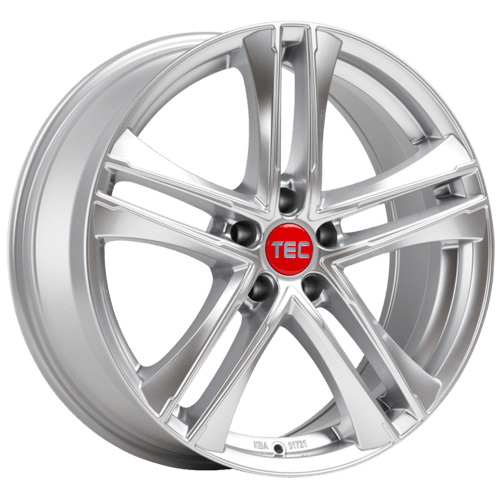
Cast wheels are among the most widespread types of wheel and are made by pouring liquid aluminium into a mould. This process allows a wide variety of designs and sizes. After cooling, the wheel is machined, painted or powder-coated and then tested. The manufacturing process is efficient, so cast wheels offer attractive value for money and are used in almost all vehicle classes.
The following overview shows the key properties of cast wheels:
| Feature | Technical meaning | Effect in everyday use |
|---|---|---|
| Cast material | uniform structure | solid strength |
| low-cost production | economical | wide choice of designs |
| higher weight | more mass at the wheel | less direct handling |
The table shows that cast wheels impress above all with their versatility. Many TEC Speedwheels models are also based on this process, as it allows a wide range of designs together with reliable strength. Thanks to modern paint finishes and precise manufacturing, they look considerably more high-end today than early generations of cast wheels.
Casting is a reliable and proven technology that is entirely sufficient for the vast majority of vehicle owners. Anyone looking for a good balance of price, looks and robustness often makes a very good choice with cast wheels.
How Forged Wheels Are Made and Why They Are Technically Superior
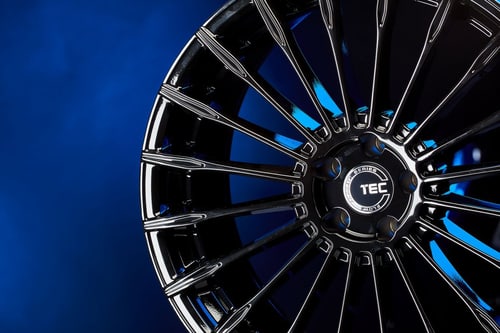
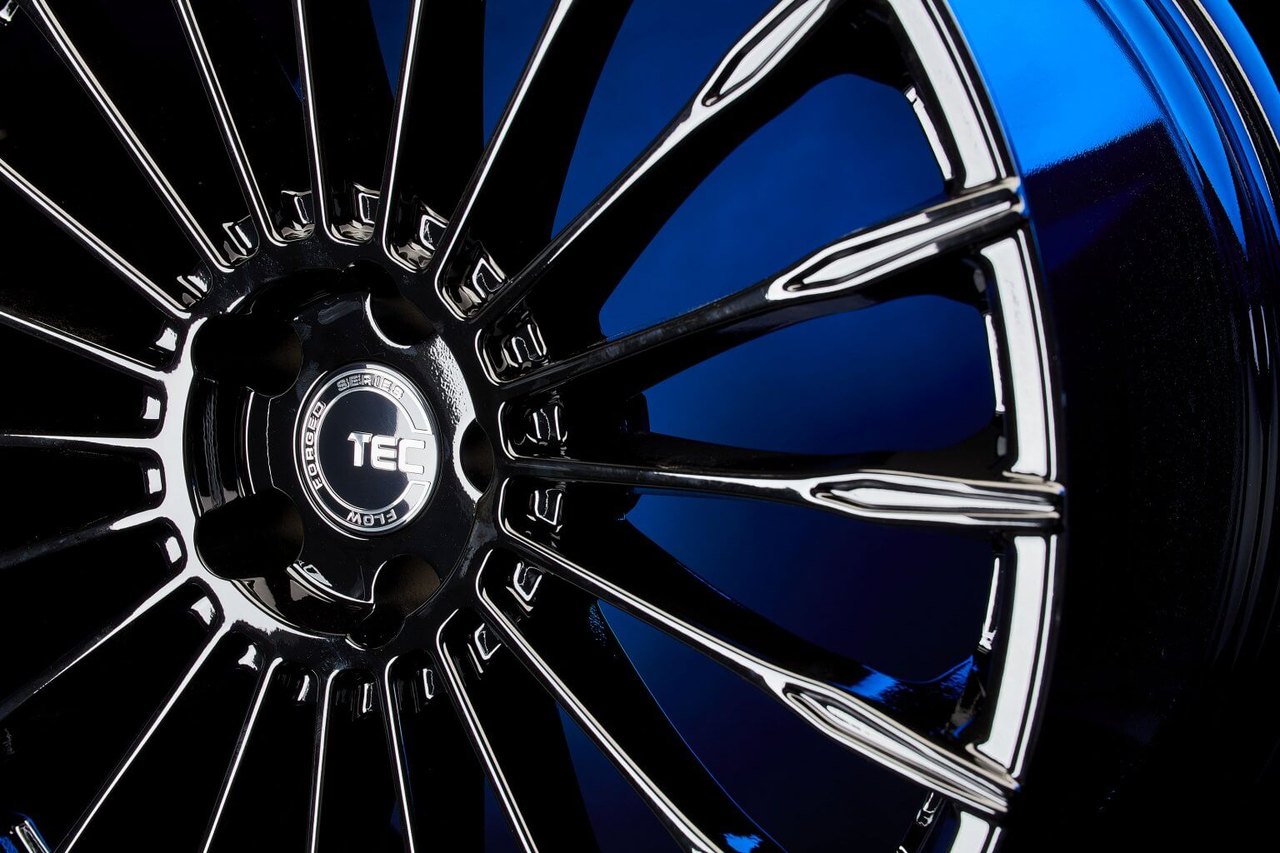
Forged wheels are made by a completely different manufacturing process. Instead of pouring liquid aluminium, a solid block of aluminium is shaped under high pressure and high temperature. This creates an extremely compressed structure that is considerably stronger than cast material. The wheel can therefore be built with thinner walls without losing strength. The result is an exceptionally strong and light wheel, used mainly in the performance sector.
The overview below shows the most important technical differences:
| Feature | Technical property | Effect when driving |
|---|---|---|
| solid forged | extreme material density | very high strength |
| low weight | considerably lighter than cast | precise turn-in |
| high rigidity | withstands high forces | ideal for sport & performance |
This table shows why forged wheels are in demand, particularly on sporty vehicles, track cars or heavy high-performance vehicles. The manufacturing is complex, however, which makes forged wheels one of the most expensive variants of all. For normal road use, many drivers will notice the benefits, but they are not strictly necessary.
For drivers who want the maximum in technology and are prepared to invest accordingly, forged wheels are among the strongest options available. Their strength and low weight are almost unmatched on the market.
Which Differences You Really Notice in Everyday Driving
In everyday driving, the benefits of casting and forging show up mainly in the driving feel. Forged wheels are lighter, which relieves the suspension and allows more direct steering response. Cast wheels are slightly heavier, but robust, easy to care for and absolutely sufficient for most driving situations. Which difference is noticeable in everyday use depends heavily on the vehicle type and driving style.
Below you can see the most important everyday effects:
| Property | Cast wheel | Forged wheel |
|---|---|---|
| Weight | higher | very low |
| Steering response | solid | clearly more direct |
| Comfort | harmonious | firmer & more precise |
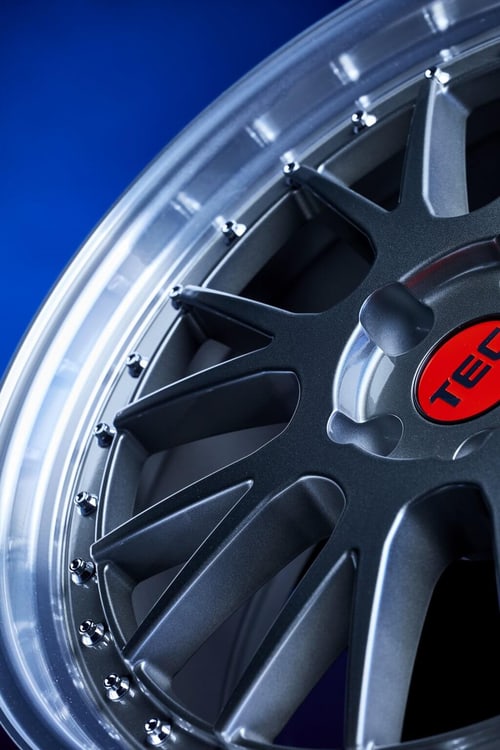
This table makes clear that forged wheels offer noticeable advantages, especially with sporty driving styles. Cast wheels, on the other hand, impress with pleasant comfort and balanced performance. In many cases, modern Flowforged wheels, such as those offered by TEC Speedwheels, are a middle way: lighter than classic cast wheels, but not as expensive as forged models.
In everyday use, the decision therefore depends less on theoretical values than on personal expectations of driving feel and looks.
Why the Intended Use Is Decisive for the Right Choice
Whether casting or forging suits you better depends heavily on how the vehicle is used. For normal road use, high-quality cast wheels are entirely sufficient, as they offer good strength, attractive designs and a reasonable weight. However, anyone who drives sportily, often takes winding roads or owns a powerful vehicle may benefit more from forging technology.
The overview below shows typical usage profiles:
| Driver profile | Recommendation | Reason |
|---|---|---|
| Everyday driver | Cast wheels | robust & economical solution |
| Sport-oriented | Forged wheels | maximum lightness & strength |
| Design focus | depends on the model | both processes offer a strong look |
This table shows that the choice should not be made on technical grounds alone. For many drivers, high-quality alloy wheels made by casting or the Flowforged process are entirely sufficient and offer an excellent compromise between looks and performance. Forged wheels are worthwhile above all when their advantages are used deliberately.
The decision therefore depends not just on budget, but on your whole driving profile.
How Price Differences Between Casting and Forging Come About
The price difference between the two processes is considerable, and there are technical reasons for it. Forging is an extremely elaborate manufacturing process that requires special machines, high temperatures and a lot of material. Casting is more economical and allows larger production runs, so prices are much lower. Both processes therefore have their place, but their cost structures clearly differ.
Below you can see typical price ranges:
| Wheel type | Price range per wheel | Assessment |
|---|---|---|
| Cast wheel | €120–250 | economical & versatile |
| Flowforged | €300–600 | technically modern, lighter |
| Forged wheel | €800–2,000 | high-end & performance |
This table shows why many drivers choose cast or Flowforged wheels: they offer very good value for money and impress both visually and technically. Forged wheels are an exclusive choice, used where every bit of performance reserve counts.
Price is therefore not just a question of design, but an expression of how the wheel is made.
Conclusion: Which Is Better, Cast or Forged Wheels?
Cast wheels offer a strong balance of price, looks and everyday practicality. They are robust, versatile and available in many designs. Forged wheels, by contrast, focus on maximum technical performance: lowest weight, highest strength and optimal force distribution. The effort involved is considerably higher, however, which is why they are used mainly in sporty and particularly demanding applications.
Which wheel is the better choice therefore always depends on the intended use. For most drivers, high-quality alloy or Flowforged wheels, such as those provided by TEC Speedwheels, already offer an excellent mix of looks, technology and price. Forged wheels are ideal when maximum performance is the priority. In the end, your individual requirements decide which variant really makes sense.
Frequently Asked Questions About "Which Is Better: Cast or Forged Wheels?"
Many drivers ask this question because the two processes are hard to tell apart from the outside, yet their technical properties differ considerably. At the same time, there is often uncertainty about when the extra cost of a forged wheel is worthwhile and what benefits modern alloy wheels actually offer. The combination of technical data, everyday use and cost means misunderstandings arise regularly. The following answers provide clear guidance.
Which wheel is stronger: cast or forged?
Forged wheels have higher basic strength thanks to the extreme compression of the material. Their structure is more homogeneous and more resilient. That does not mean cast wheels are weak, however. Modern cast and Flowforged models meet high requirements and are absolutely reliable on the road. Strength therefore depends less on the process than on the quality of the manufacturer.
How big is the weight difference between cast and forged wheels?
Forged wheels are often several kilograms lighter, depending on size and design. The weight advantage is noticeable when turning in, accelerating and braking. Cast wheels are heavier, but still entirely sufficient for many drivers. Flowforged wheels often sit between the two variants and offer a modern balance of weight and strength.
Is the extra cost of a forged wheel worth it in everyday driving?
For normal road use, the extra cost is not strictly necessary. Forged wheels show their advantages mainly with sporty driving or high power outputs. Anyone who uses their vehicle mainly for everyday driving often benefits more from a well-engineered, robustly coated cast or Flowforged wheel.
Which wheels last longer?
Both variants can be very long-lasting if they are made to a high standard. Forged wheels have a particularly dense structure and are mechanically very resilient. Cast wheels with a good coating and sturdy construction are also long-lasting. Durability therefore depends more on workmanship than on the process.
How can I recognise a high-quality wheel regardless of the process?
Quality features include clean workmanship, high wheel load ratings, durable coatings and clear technical documentation such as an ABE or ECE. TEC Speedwheels models show these features clearly, because all technical values are stated transparently. Quality can therefore be judged well from the documents and the visible workmanship.
What is the most important difference between the two processes?
The biggest difference lies in the material structure. In forging, the material is compressed, which gives it greater strength and less weight. In casting, a solid structure is created that is somewhat heavier but can be used on a broader basis. Both processes have clear advantages that matter differently depending on the vehicle and your requirements.
Our team in Kaiserslautern checks size, offset and approvals for your car. Free and without obligation.
Wheel configurator