Introduction
Many drivers use the terms rim) and tyre interchangeably in everyday speech, although technically they are two completely different components. At the latest when changing tyres, buying new wheels or researching online, confusion sets in. Terms such as "wheel", "rim" and "tyre" are often mixed up, which makes it harder to find your bearings. This is where many people ask what the difference actually is and what job each component does.
If this difference is not understood, it can lead to wrong decisions. When buying new rims, important technical details may be overlooked or the wrong components ordered. Misunderstandings at garage appointments or in online purchases are also not uncommon. If you do not know which function the rim has and which part is the tyre, it is harder to choose the right combination for your vehicle.
In this article we explain clearly and simply the difference between rim and tyre, how the two components work together and what role they play when driving. You will learn how a complete wheel is built, what technical differences exist and why modern alloy wheels – such as the models from TEC Speedwheels – play an important part in the overall picture. That gives you a solid grounding so you can make future decisions with confidence.
What a rim is and what it does
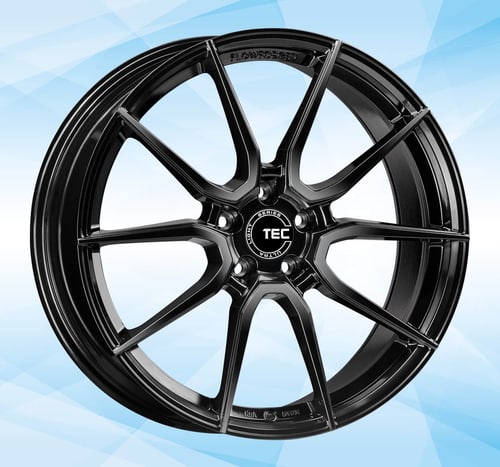
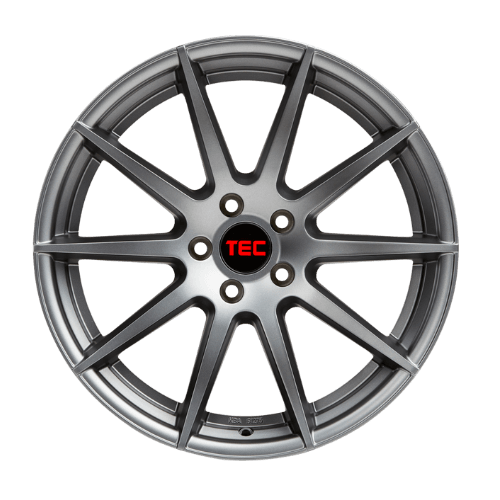
The rim is the load-bearing metal part of a wheel and forms the link between the vehicle and the tyre. It is attached directly to the wheel hub and transmits all the forces from the vehicle to the tyre. Without the rim, it would not be possible to mount the tyre securely and drive safely on the road. It is therefore a central component for stability and safety.
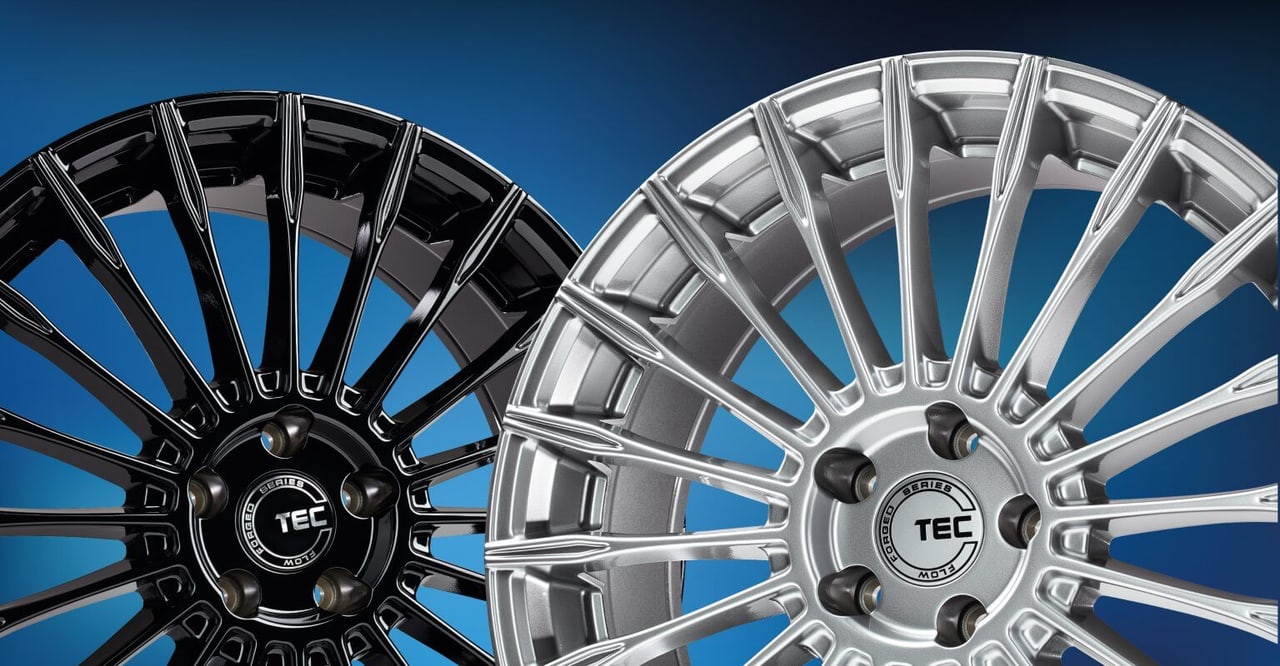
The construction of the rim has to be designed so that it withstands the loads from cornering, braking and uneven surfaces. Particularly with larger rims in the 18 to 22 inch range, high forces act on the material. Modern alloy wheels, such as those offered by TEC Speedwheels, are designed to combine strength and low weight.
The following overview shows the main characteristics of the rim:
| Feature | Description | Function |
|---|---|---|
| Material | usually aluminium or steel | carries the tyre |
| Connection | contact with the wheel hub | transmits forces |
| Structure | sturdy construction | ensures safety |
This table shows that the rim plays a load-bearing and safety-relevant role. It is not only visible but also decisive for the vehicle's overall handling. High-quality rims offer precise workmanship and reliable strength.
The rim is therefore the foundation of the whole wheel system and performs a central technical function.
What a tyre is and what it does
The tyre is the part of the wheel that makes direct contact with the road. It is made of rubber and various reinforcing layers that provide grip, cushioning and ride comfort. While the rim transmits the forces, the tyre makes sure these forces act on the road in a controlled way. It is therefore the link between the vehicle and the road surface.
A tyre performs several tasks at once. It provides grip, absorbs bumps and has a major influence on handling. Without the tyre, the vehicle would find no hold on the road. The combination of tyre and rim is therefore decisive for safety and comfort.
The overview below shows the main characteristics:
| Feature | Description | Function |
|---|---|---|
| Material | rubber with reinforcement | grip on the road |
| Tread | structured surface | water dispersal |
| Air pressure | stabilises the tyre | provides load-bearing capacity |
This table shows that the tyre has a completely different job from the rim. The two components complement each other but are clearly separate. The right match is essential for stable and safe handling.
The tyre therefore takes on the active role on the road, while the rim forms the technical foundation.
How rim and tyre work together
Rim and tyre together make up the complete wheel and only work as a unit. The rim defines the shape and strength, while the tyre transfers the motion to the road. Both components must be matched exactly so that the system works reliably. A wrong combination can cause problems with handling, safety or approval.
The match is made through various technical values such as rim size, tyre width and rolling circumference (Abrollumfang). These values must fit together so that the tyre sits correctly on the rim. The technical data from TEC Speedwheels shows exactly which tyre sizes suit which rims.
Below you will find the key relationships:
| Combination | Meaning | Effect |
|---|---|---|
| Rim size | determines tyre dimension | affects looks |
| Tyre width | suits the rim | provides stability |
| Rolling circumference | combination of both values | important for the technology |
This table shows how closely rim and tyre are linked. Only when all the values are right do you get a harmonious overall look and safe handling.
The interplay of these two components is therefore decisive for the function of the whole vehicle.
Why both components must be chosen together
When buying new rims, it is not enough to look at design alone. Rim and tyre must always be considered together, because they are technically dependent on each other. A larger rim usually requires a tyre with a lower profile in order to keep the rolling circumference constant. This also changes the driving feel.
Many drivers underestimate this interaction. If the combination is chosen wrongly, it can cause problems with clearance or with approval. It is therefore important to stick to the technical specifications.
The following overview shows typical combinations:
| Rim size | Tyre profile | Effect |
|---|---|---|
| smaller | higher | more comfort |
| larger | lower | sportier look |
| matched | optimal | balanced handling |
This table makes clear that rim and tyre must always be viewed as a unit. Modern rims, such as the models from TEC Speedwheels, give clear details of suitable tyre sizes, which makes the choice easier.
The right combination ensures that the vehicle impresses both visually and technically.
What role rim and tyre play in handling and looks
Rim and tyre together influence how a vehicle looks and drives. Larger rims make the vehicle look more modern and sporty, while smaller rims offer more comfort. The tyre provides the actual cushioning and grip, while the rim determines the visual presence.
Handling is also shaped by both components. Lighter rims improve agility, while tyres with a taller profile absorb bumps better. This combination decides how the vehicle feels in everyday use.
Models from TEC Speedwheels show how modern rims are optimised both visually and technically. Combined with suitable tyres, the result is a harmonious overall picture that takes both design and performance into account.
Rim and tyre are therefore inseparably linked and together determine the driving experience.
Conclusion – rim vs. tyre: what is the difference?
The rim is the load-bearing metal part that holds the tyre and connects it to the vehicle. The tyre provides contact with the road and takes care of grip and cushioning. The two components perform different tasks but only work together as a unit. If you understand the difference, you can make better buying decisions and choose the right combination for your vehicle.
Frequently asked questions about "Rim vs. tyre – what is the difference?"
Many drivers treat rim and tyre as the same thing, although they perform different functions. This mix-up often causes uncertainty, especially when buying or changing components. Technical terms are also hard to follow if the basics are missing. The following answers help to clear up the key questions simply.
"Is the rim the same as the tyre?"
No. The rim is the metal part that carries the tyre. The tyre is made of rubber and provides contact with the road. Together the two parts form the wheel. Without a rim, the tyre could not be fitted.
"Why is the rim so important?"
The rim carries the tyre and transmits all the forces from the vehicle to the road. It must be strong and precisely manufactured. A poor rim can have a negative effect on handling. That is why it is a safety-relevant component.
"Can I combine any rim with any tyre?"
No. Rim and tyre must be technically compatible. Values such as size, width and rolling circumference are decisive. A wrong combination can lead to problems. The manufacturer's technical data gives clear guidance here.
"Do rim and tyre affect handling?"
Yes, both components have a major influence. The tyre provides grip and comfort, while the rim affects weight and strength. Together they determine the driving feel. A good combination clearly improves driving characteristics.
"Why are larger rims often combined with lower-profile tyres?"
So that the rolling circumference stays the same. A larger rim needs a tyre with a lower profile. This leaves the vehicle's technology unchanged. At the same time, the vehicle looks sportier.
"What role does the quality of the rim play?"
High-quality rims offer better strength, lower weight and durable coatings. Models from TEC Speedwheels show how modern rims combine design and technology. Quality affects both safety and looks.
Our team in Kaiserslautern checks size, offset and approvals for your car. Free and without obligation.
Wheel configurator